

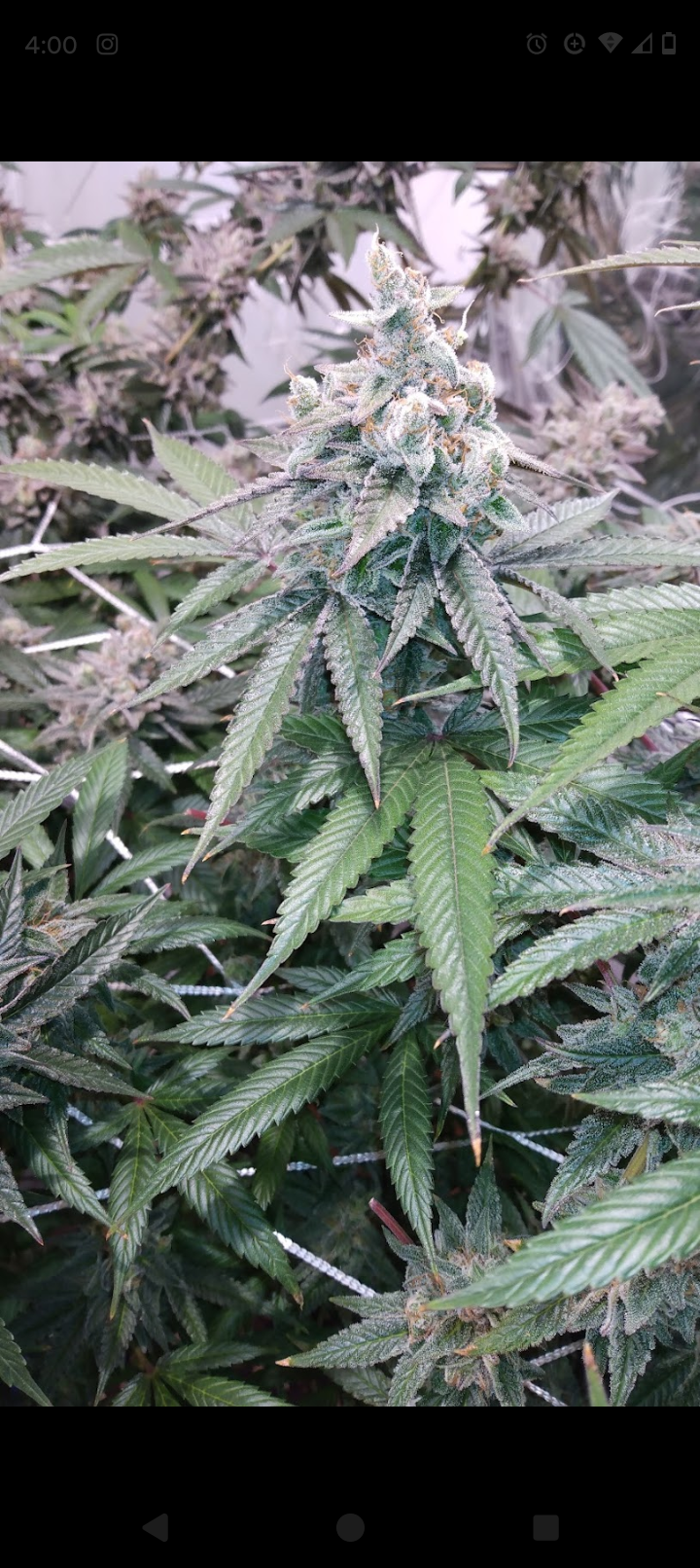
Grower Spotlight:
Yusuf El, Head Cultivator
Yusuf shares a cultivation philosophy rooted in living soil, discipline, and deep environmental awareness. His approach honors ancestral wisdom while pushing the craft of cannabis forward.
For Yusuf, cultivation is more than a process — it’s a lifelong practice shaped by discipline, observation, and deep respect for the natural world. With more than two decades in the garden, his work bridges science and intuition, where living soil, environmental precision, and generational knowledge come together to produce cannabis defined by integrity and depth.
In this conversation, he shares how quality is built from the ground up, why sustainability and excellence go hand in hand, and what the future of cannabis could look like far beyond the flower.
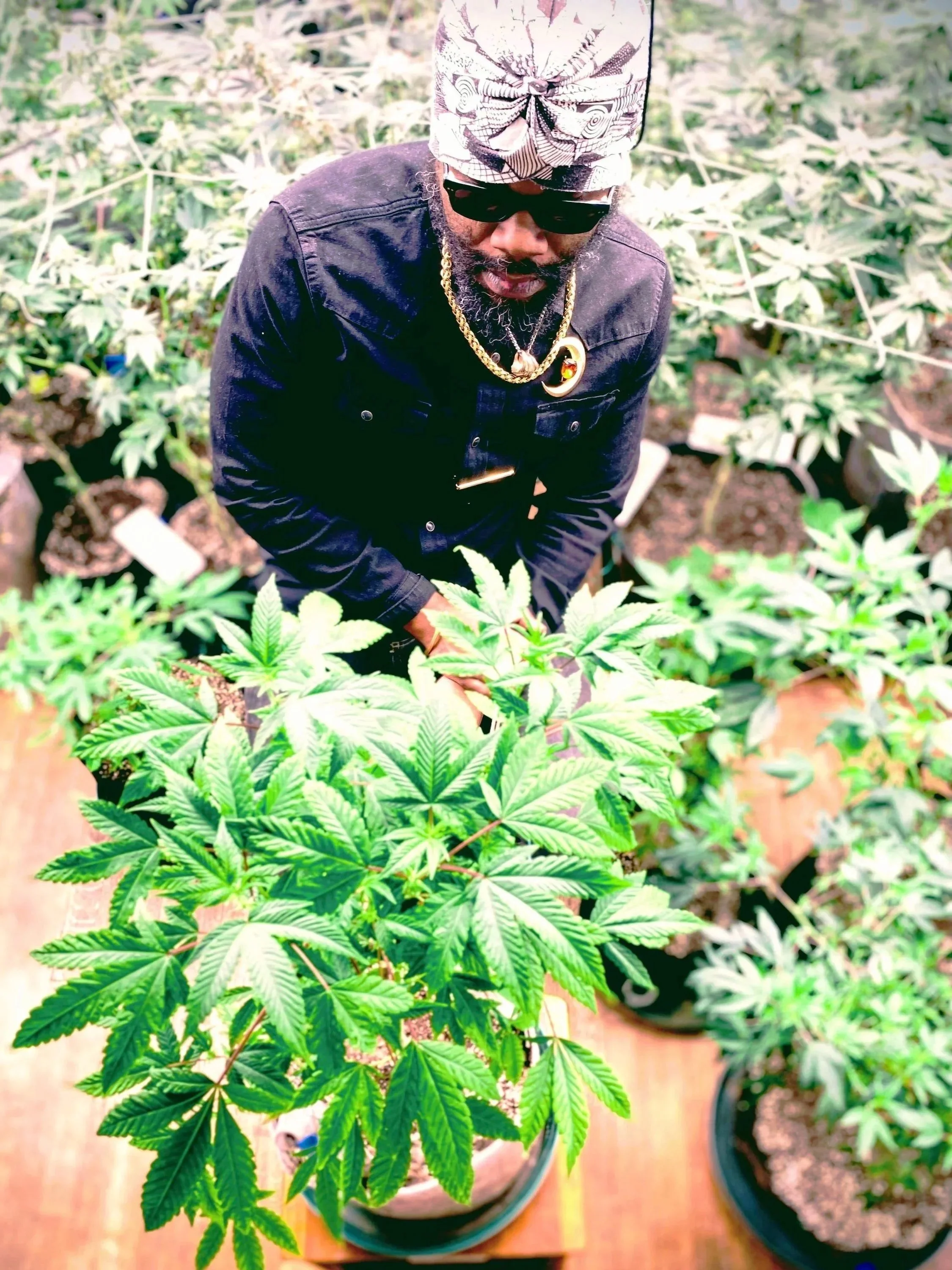
“My approach to cultivation mirrors how I approach life: what you put in is what you get out. You start with almost nothing, and through discipline, creativity, and science, you build something exceptional.”
How would you describe your overall approach to cultivation, and what does “quality” mean to you when it comes to cannabis?
My approach to cultivation mirrors how I approach life: what you put in is what you get out. You start with almost nothing, and through discipline, creativity, and science, you build something exceptional. Cultivation is about understanding the plant, mastering the environment, and executing at a high level every single day.
Quality is everything to me. I’m competitive by nature, and as a cultivator, your reputation is tied directly to the flower you produce. There’s no hiding behind branding or marketing — the quality speaks for itself. Consistency, integrity, and excellence are what separate the best from everyone else.
You work with living soil — can you explain what that means in your garden and how it changes the way your plants grow compared to more conventional methods?
I’ve been growing for over two decades, and the concept of living soil was ingrained in me from the start. My uncle used to say, “In order to live, you must feed the soil.” We began by reusing leftover organic compost from the garden, and over time, that constant care and replenishment strengthened the soil year after year.
Living soil isn’t just dirt — it’s a vibrant ecosystem of microbes, nutrients, and biological life that feeds the plant naturally. Compared to conventional methods, it produces healthier, more resilient plants and unlocks richer flavors, deeper aromas, and more complex terpene profiles. Quality cannabis begins with the soil, and nurturing it is a long-term investment that pays off in every harvest.
My uncle used to say, “In order to live, you must feed the soil.”
Is there a specific technique or habit in your grow that really defines your style — something you do that noticeably impacts the final flower?
Within our controlled-environment cultivation model, I’ve developed a structured approach to late-flower light management that prioritizes terpene expression, aroma, and overall effect. It’s a seven-step framework built around how plants interpret photoperiod signals in the final stages of flowering. Rather than relying on a single adjustment, it’s a refined process informed by observation, data, and experience. I’m currently documenting the system so it can eventually be shared in a more complete and intentional way.
From your perspective, what growing factors have the biggest influence on terpene expression, flavor, and the overall experience of the flower?
I consider myself a terrain cultivator, drawing inspiration from the forests of New England. The natural cycle of the seasons — leaves breaking down, soil resting through cold winters, and microbe-rich compost rebuilding life — teaches you how plants truly respond to their environment.
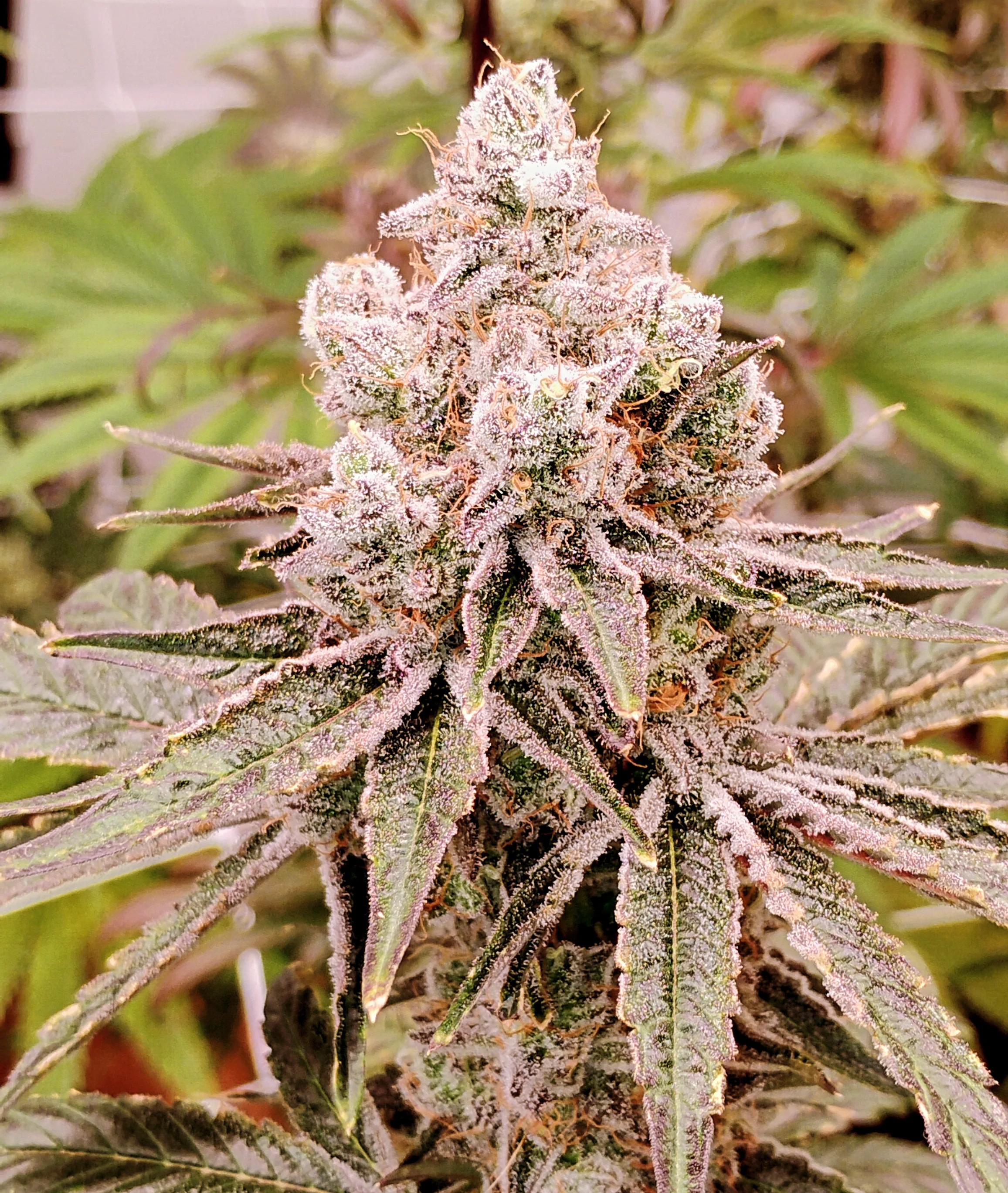
Pictured Above: The plant, Yusuf named Muhtadi, meaning “rightly guided”.
Our four seasons allow soil to recover while introducing subtle stressors that enhance terpene expression, aroma, and complexity. Even changes in daylight and late-season cold fronts contribute to deeper flavors and more layered effects. In my view, the Northeast is beginning to rival — and in many ways surpass — regions like California, not because of hype, but because our environment, seasonal rhythm, and attention to detail produce cannabis with real depth, character, and consistency.
Do you have a favorite strain or grow that’s stayed with you? What made it significant to you?
My favorite strain came from my mother. While traveling in Jamaica, she met the Maroons, who introduced her to a tea that helped relieve her arthritis. Afterward, she gave me the remaining seeds. It took three years to establish two healthy mother plants, but once they matured, the aroma, flavor, and yield were exceptional. I named her Muhtadi, meaning “rightly guided,” because she represents patience, intention, and a powerful connection across generations.
Sustainability is becoming a bigger conversation in cannabis — how do you approach environmental responsibility in your grow?
Sustainability starts with accountability. You are your environment. We take deliberate steps to mimic natural systems — testing and reusing water runoff, maintaining living soil, and replenishing it with organic compost. Decades of cultivation have shown me that sustainability and quality aren’t separate goals. Respecting the ecosystem is part of producing exceptional cannabis.
What’s something you’ve learned to “read” in a plant over the years that you definitely couldn’t see when you first started growing?
Over time, I’ve learned to observe plants almost like family. Each has its own personality — tall or short, fast or slow — and each brings different strengths. Now I can read subtle traits: one may express deeper aroma, another richer flavor, or a unique growth structure. Those nuances reveal how a plant will respond to care, breeding, or harvest timing, and recognizing them has become one of the most rewarding aspects of cultivation.
Where do you think cannabis cultivation is headed — and what would you personally love to experiment with next?
I believe cannabis is moving toward a broader, more durable role beyond flower — one rooted in materials science, sustainability, and long-term economic value. Cannabis has been used for thousands of years, including playing a role in Europe’s first paper mills, and its fiber potential alone represents a largely underdeveloped opportunity.
Looking forward, I see meaningful upside in applications tied to sustainable construction, advanced materials, and clean energy systems. Personally, I’m interested in advancing cultivation and processing models that connect quality production with environmental economics — developing cannabis as a resource that supports scalable, responsible growth and generates value well beyond a single harvest cycle.
ABOUT YUSUF EL
Yusuf El is a Master Cultivator and Cannabis Operations Leader with nearly two decades of cultivation experience across legacy and licensed markets. He has led large-scale production programs of up to 5,000 plants annually, delivering record-setting results and consistent sell-through across East Coast dispensaries. His work focuses on genetics, operational excellence, and sustainable cultivation systems.